Kyoto Unveiled: The Art of Quietude in the Ancient Capital
Stepping off the busy transit corridors of Kansai reveals a landscape carved by patience, where wooden verandas invite endless contemplation.
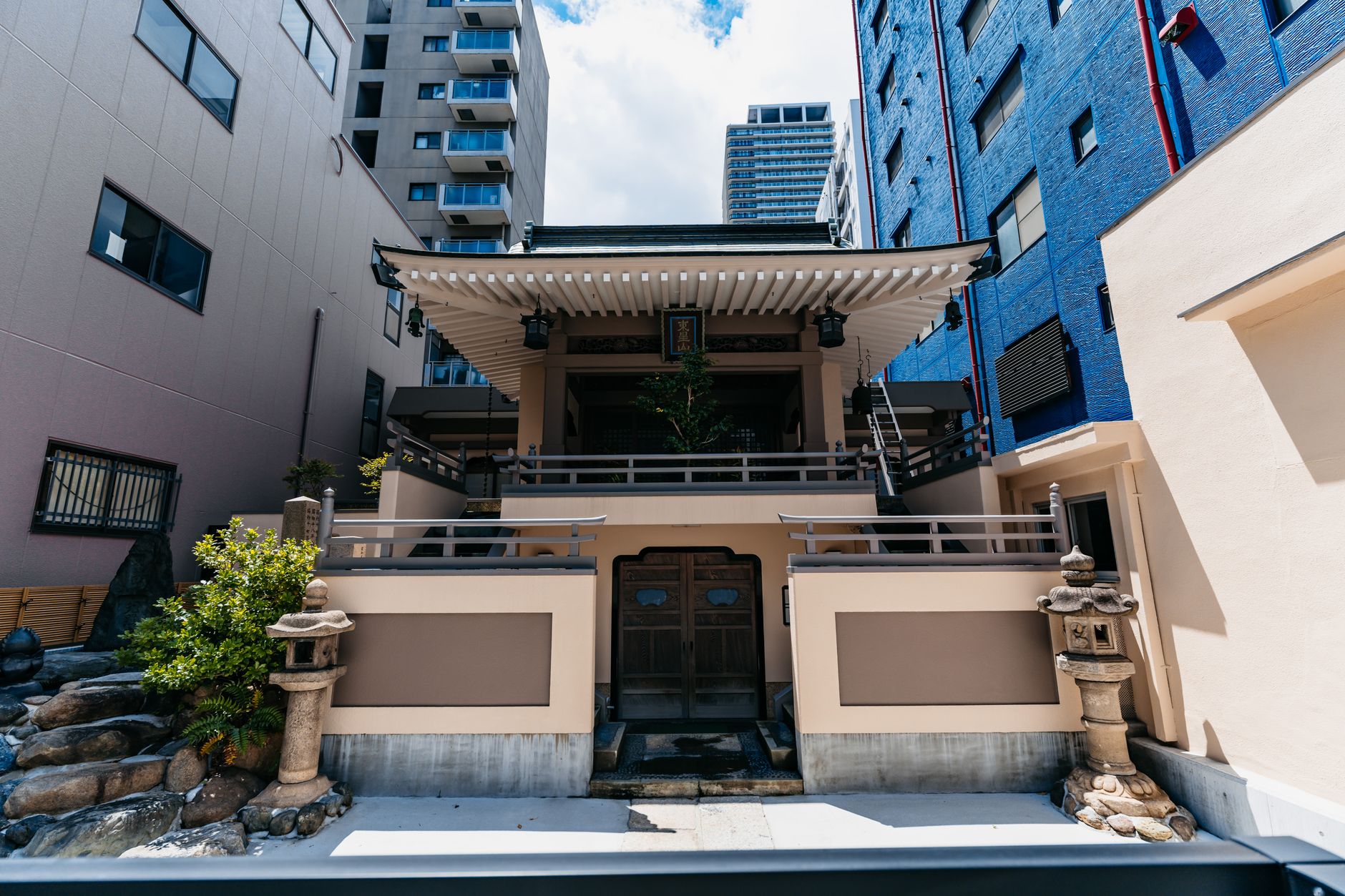
In the quiet northern hills of Kyoto, far past the tour buses queuing before Kinkaku-ji, there exists a cadence of life unchanged for centuries. Morning arrives not with alarms, but with the measured sweep of bamboo brooms against flagstones and the faint resonance of a distant bell at Daitoku-ji.
The Geometry of Shadow and Timber
Traditional machiya homes and monastery quarters are masterpieces of sensory moderation. As Junichiro Tanizaki wrote in his seminal treatise In Praise of Shadows, Japanese aesthetic sensibilities flourish when light is diffused through paper shoji screens. Here, gold leaf was never meant to dazzle in bright daylight, but to catch the stray flicker of a single tallow candle in a dark alcove.
"True sanctuary is not the absence of the world, but the presence of attentive observation."
Moss, Water, and Time
Walking the stone paths of Saiho-ji requires advanced reservation by physical postcard—a ritual deliberate in its slowness. Under the canopy of ancient maples, over 120 varieties of velvety moss carpet the earth. When rainfall arrives, the entire garden transforms into an emerald tapestry. Time here is measured not in hours, but in the slow creep of green over granite boulders.
Traveler's Field Notes: Northern Kyoto
- Visit sub-temples during the morning meditation hours (between 7:30 and 9:00 AM).
- Respect photography bans inside historic tatami rooms; take memory in stillness.
- Engage in a seasonal Kaiseki experience highlighting Kyoto heirloom vegetables (Kyo-yasai).
Leaving the ancient capital, one realizes that Kyoto's greatest luxury is its refusal to hurry. It stands as an enduring lesson that in an era of relentless speed, quiet reverence is the most radical journey of all.