Clay, Smoke, and Memory: Oaxaca's Ancestral Kitchens
Beyond the renowned restaurants of Oaxaca City lies a vast network of artisanal cooks preserving thousands of years of food philosophy.
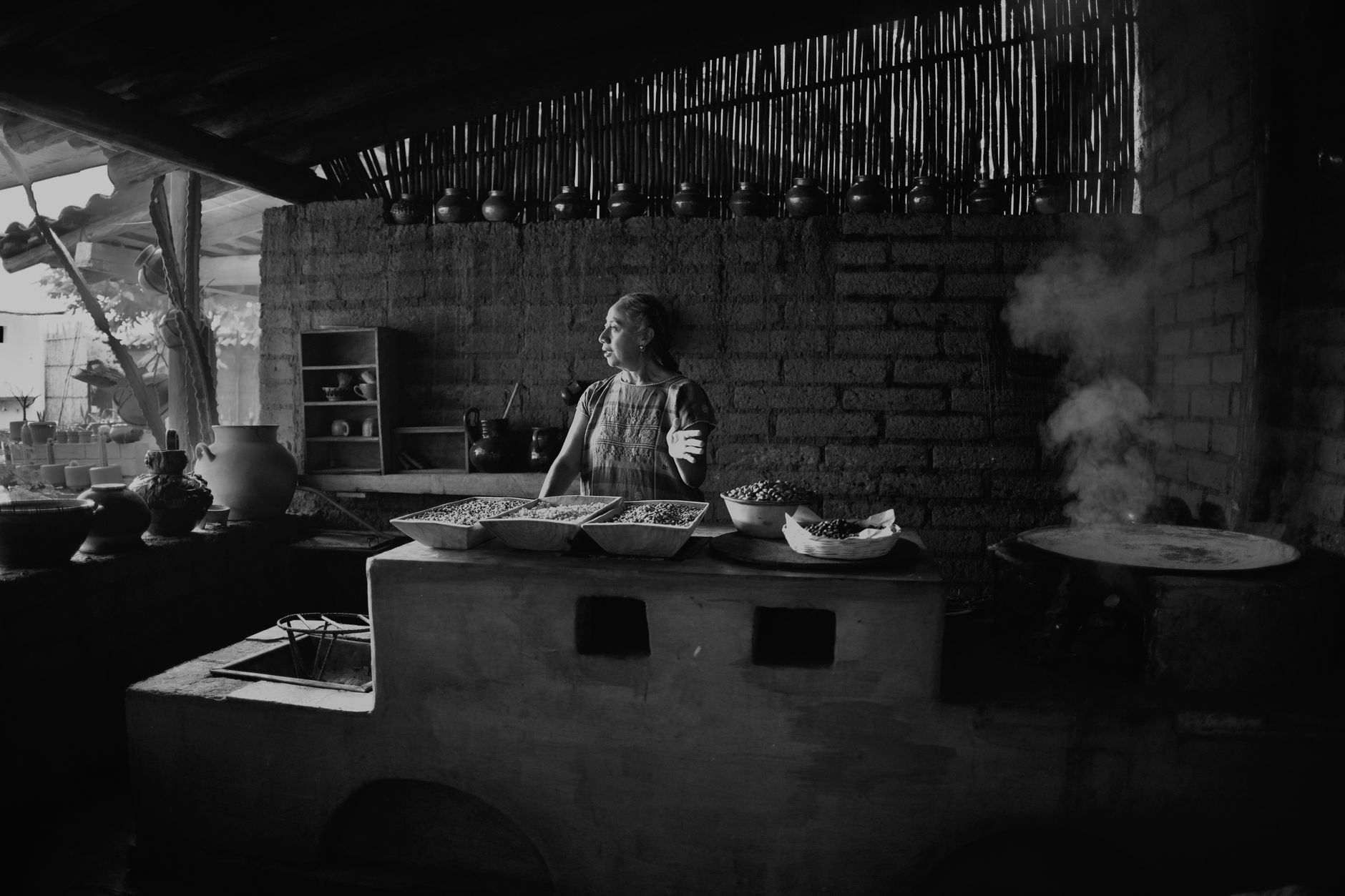
In the valley town of Tlacolula on market day, the air carries a symphony of scents: roasted cacao, dried pasilla chiles, copal incense, and the comforting sweetness of boiling nixtamalized maize. This is culinary culture in its most sacred and communal state.
The Sacred Triad: Milpa Agriculture
Oaxacan cuisine is not an invention of luxury chefs; it is born from the milpa, the ancient symbiotic agricultural system where corn, climbing beans, and squash grow together. The corn provides a trellis for the beans, the beans fix nitrogen into the soil, and the broad leaves of squash shade the ground to prevent moisture loss.
"We do not cook to impress. We cook to honor the rain, the soil, and the ancestors who taught us patience."
The Symphony of Black Mole
To watch a traditional cocinera tradicional prepare Mole Negro is to witness an alchemical ritual. Over thirty distinct ingredients—chiles chilhuacle, plantains, almonds, raisins, Mexican chocolate, and wild herbs—are individually toasted on a clay comal until precisely blackened, then ground by hand on volcanic stone metates. The sauce simmers for days, deepening into something beyond flavor: cultural memory preserved in a bowl.
Culinary Itinerary Advice
- Seek out community palenques where small-batch ancestral mezcal is distilled in clay pots.
- Taste hot tejate served in carved jícara bowls at morning village markets.
- Visit black clay ceramicists in San Bartolo Coyotepec who craft cooking pottery.
In Oaxaca, every meal is a reminder that the world's most luxurious flavors come not from speed or high technology, but from patience, community, and reverence for the earth.